info@jesspackaging.com
 +16479707435
Food delivery has become an essential part of the modern dining experience, especially for items…
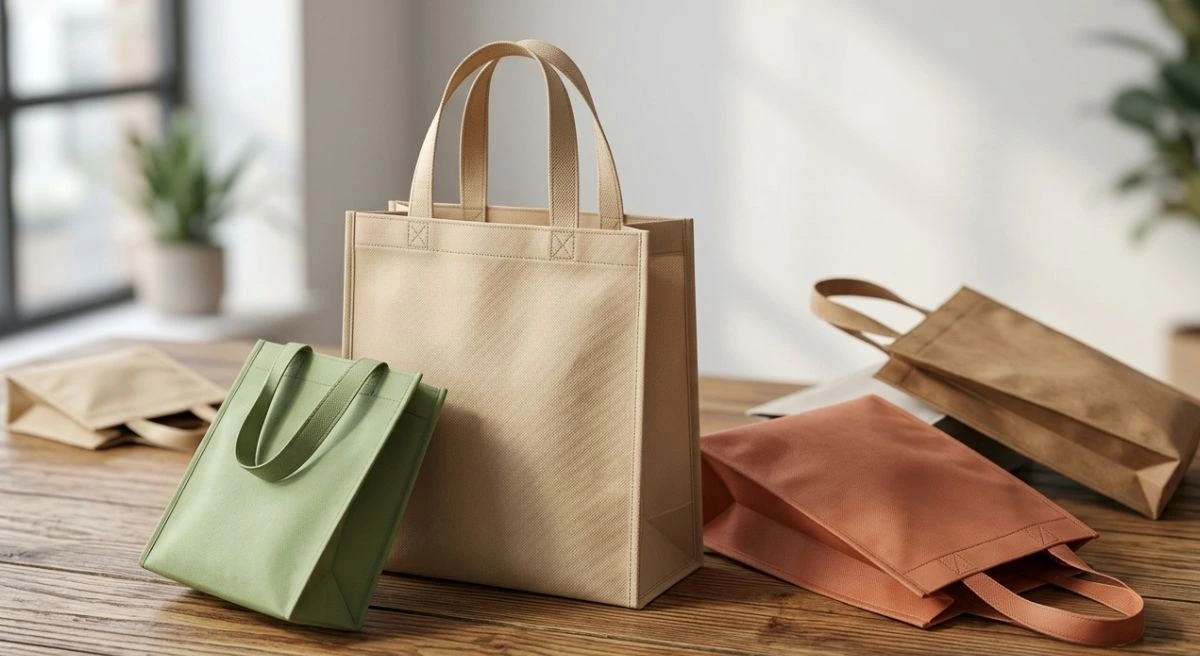
Retail businesses are evolving rapidly as customers become more conscious of environmental impact and sustainability. Traditional plastic carry options are increasingly being replaced by alternatives that are durable, reusable, and environmentally responsible. This shift is driven not only by regulations but also by changing customer expectations.
To meet these demands, Nonwoven Bags have become a practical and reliable solution for modern retail operations. They offer a balance between affordability, durability, and sustainability, helping businesses improve efficiency while aligning with eco-friendly practices.
What Are Nonwoven Bags?
Nonwoven bags are made from fibers that are bonded together through mechanical or thermal processes instead of traditional weaving. This method creates a lightweight yet strong material that is suitable for everyday use across different retail environments.
Due to their structure, Nonwoven Bags provide better durability and flexibility compared to many conventional options. They can be reused multiple times without losing shape, making them both practical and environmentally responsible for businesses and customers.
Key features include:
- Lightweight yet strong material
- Reusable and long-lasting
- Smooth and uniform texture
- Easy to store and carry
- Suitable for various retail uses
Environmental Benefits of Nonwoven Bags
Reducing environmental impact has become a priority for businesses looking to adopt responsible practices. Choosing reusable materials helps minimize waste and supports long-term sustainability goals.
Using Nonwoven Bags significantly reduces dependence on single-use plastics and lowers pollution levels. Their reusable nature ensures less waste generation, making them a better alternative for eco-conscious businesses.
Key benefits include:
- Reduces plastic waste
- Promotes reusable solutions
- Lowers environmental impact
- Supports sustainable practices
- Helps meet eco regulations
Cost-Effectiveness for Retail Businesses
Cost management is essential for retail businesses, and selecting the right materials can make a significant difference. Solutions that offer durability and reusability help reduce long-term expenses.
Investing in Nonwoven Bags allows businesses to save costs over time due to their repeated usage and strength. Their affordability and long lifespan make them a smart financial choice for retail operations.
Key advantages include:
- Lower long-term costs
- Reduced need for frequent replacement
- Affordable production
- High return on investment
- Budget-friendly solution
Looking to switch to eco-friendly retail solutions for your business? Contact us today for high-quality nonwoven bags that combine durability, affordability, and sustainability.
Branding and Customization Opportunities
Retail businesses rely heavily on branding to stand out in a competitive market. Carry solutions can act as a powerful promotional tool when designed effectively.
Custom-designed Nonwoven Bags allow businesses to display logos, colors, and messaging clearly. This transforms a simple utility item into a marketing asset that enhances brand visibility.
Customization options include:
- Logo printing
- Brand colors and designs
- Promotional messaging
- Different sizes and styles
- High-quality finishing
Durability and Practical Usage
Durability is one of the most important factors in selecting retail solutions, as customers expect reliable and long-lasting products. Weak materials can lead to dissatisfaction and inconvenience.
Strong and reliable Nonwoven Bags are designed to handle daily usage and carry different types of products without tearing. Their practical design ensures consistent performance and better customer experience.
Key advantages include:
- Strong load-bearing capacity
- Long-lasting usage
- Resistant to tearing
- Suitable for daily use
- Reliable performance
Versatility Across Retail Segments
Retail businesses operate across multiple industries, each with different requirements. A flexible solution is necessary to meet these diverse needs effectively.
The adaptability of Nonwoven Bags makes them suitable for supermarkets, clothing stores, pharmacies, and more. Their ability to handle various products makes them a universal retail solution.
Common uses include:
- Grocery and supermarket use
- Clothing and fashion stores
- Pharmacy and medical stores
- Promotional events
- General retail applications
Supporting Sustainable Business Practices
Sustainability has become a core focus for businesses aiming to build long-term trust and credibility. Customers prefer brands that demonstrate responsibility toward the environment.
Incorporating Nonwoven Bags into operations reflects a commitment to eco-friendly practices. This not only helps reduce environmental impact but also strengthens brand image and customer loyalty.
Key impacts include:
- Builds eco-friendly brand image
- Attracts conscious consumers
- Supports long-term sustainability goals
- Enhances customer trust
- Improves brand reputation
Frequently Asked Questions
They are reusable, durable, and reduce environmental impact compared to single-use plastic alternatives.
Yes, they are designed for repeated use without losing their strength or structure.
Yes, they can be used across various industries including grocery, fashion, and general retail.
Yes, they can be customized with logos and designs to improve brand visibility.
Yes, their durability and reusability make them a budget-friendly long-term solution.
They reduce plastic waste and promote sustainable practices through reusable materials.
Conclusion
The shift toward sustainable solutions is transforming the retail industry, making it essential for businesses to adopt practices that reduce environmental impact. Nonwoven bags provide a practical solution that combines functionality, durability, and eco-friendliness, helping businesses meet modern demands.
By choosing Nonwoven Bags, companies can improve customer experience, reduce waste, and strengthen their brand identity. Their versatility and cost-effectiveness make them a valuable investment for businesses aiming for long-term growth and sustainability.
Related Posts